Breathing Has Never Been Easier
Find out how your family and home can benefit from properly optimized indoor air quality.
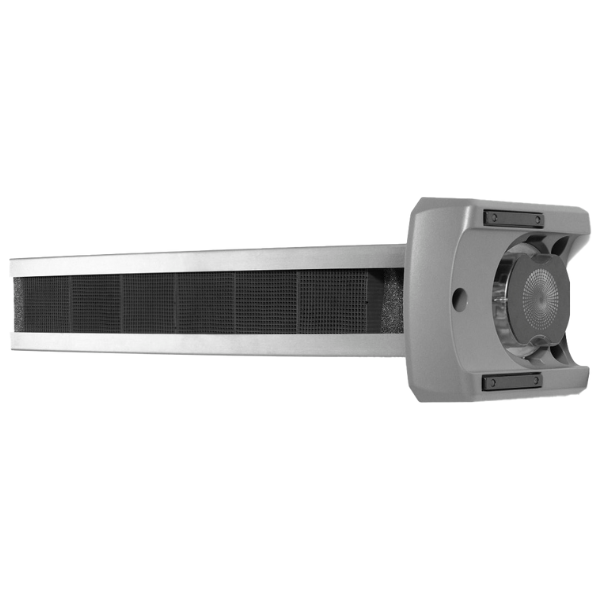
Remove Viruses, Bacteria & Odours
Often overlooked, purification is necessary to remove viruses, bacteria and even odours. UV purification allows your filtration system to work optimally, as the contaminants it traps will be promptly removed.
Purification is great for households but can also benefit garbage rooms, locker rooms, and other public or commercial areas that are exposed to high levels of contaminants and odours.
Proper purification measures can reduce the risk of illness by eliminating up to 99% of all viruses and bacteria.
Reduce Seasonal Illness and Allergy
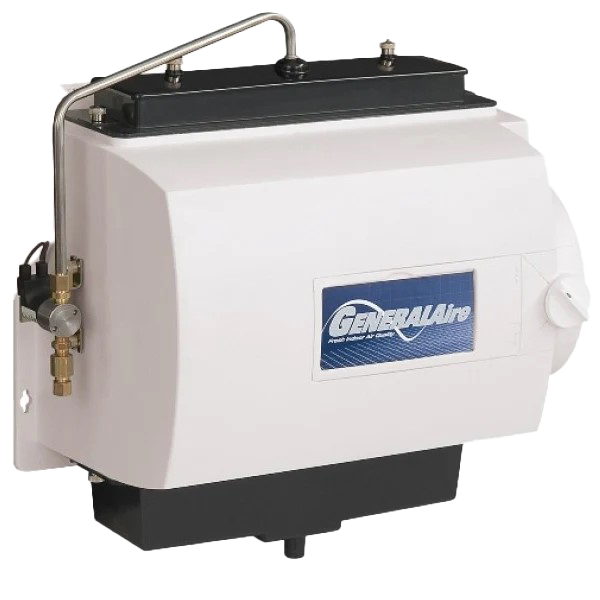
Achieving optimized indoor comfort year-round is defined by proper humidity control.
Not only is controlling humidity necessary for comfort, but it can also help to eliminate and prevent the accumulation of mould and dust mites. Proper humidity helps combat seasonal illnesses and common allergies.
We exclusively install central humidification systems that utilize flow-through and steam-type technologies to effectively introduce moisture into your building’s air stream.
Health Canada recommends an indoor relative humidity level of 30 to 50%. If your thermostat is reading outside this range, please contact us for help!
The First Line of Defense
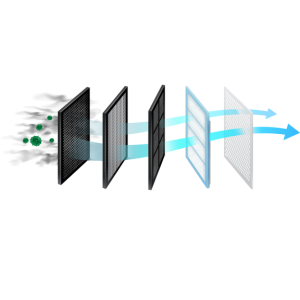
Filtration ability is measured by MERV ratings. Air below a rating of 8 can be detrimental to our health and normal bodily functions.
Centrally ducted residential heating and cooling systems can be equipped with filtration that offers a MERV rating of up to 16 without the need for additional work to accommodate air flow requirements.
Ottawa Plumbing and Heating recommends that your system operates with at least a MERV 11 filter to ensure optimal system operation and properly filtered air.
Benefits of
Optimal IAQ
IMPROVED LUNG HEALTH
The human body can filter the air we breathe at a MERV rating of 8. Often, the air quality we are exposed to throughout our day is not of the greatest quality, which causes our bodies to work harder while we are away from home. That is why it is critical to ensure that our indoor air quality is over and above the MERV rating that our bodies are capable of handling.
MATERIAL LONGEVITY
Framing, hardwood floors, wooden furniture, and instruments are some of the common household items that can benefit from optimizing indoor air quality. By minimizing exposure to pollutants, moisture, and other factors that contribute to material degradation, you can help protect building materials and extend their lifespan, resulting in cost savings and improved indoor environmental quality.
REDUCED ILLNESS
Optimizing indoor air quality (IAQ) can significantly assist in reducing illness by minimizing exposure to harmful pollutants, allergens, and pathogens that can cause respiratory issues, allergies, and other health problems.
reduced pet dander
Improving IAQ through measures such as air purifiers, regular cleaning, and proper ventilation can help remove airborne pet dander particles, reducing allergic reactions and respiratory discomfort for both humans and pets.
no more itchy skin
Dry indoor air can strip moisture from the skin, leading to dryness and itching. Using a humidifier to add moisture to the air can help maintain optimal humidity levels, especially during the winter months when the air tends to be drier. This helps prevent skin dehydration and reduces the likelihood of itching and irritation.
REDUCE dust and mites
Dust mites thrive in environments with high humidity levels. Keeping indoor humidity levels between 30% and 50%, can significantly reduce dust mite populations. Using dehumidifiers in damp areas such as basements and bathrooms and ensuring proper ventilation throughout the home can help control humidity.
OPHVAC Provides
Expert Air Filtration
Frequently Asked Questions
What is indoor air quality, and why is it important?
Indoor air quality refers to the cleanliness and healthiness of the air inside your home or building. Indoor air quality services can reduce allergies, respiratory issues, and reduced comfort.
What’s the difference between air filtration and air purification?
Filtration physically traps particles in a filter medium, while purification actively neutralizes or destroys airborne contaminants such as bacteria and viruses, using methods like UV light, ionization, or activated carbon.
Can humidity levels be too high or too low?
Yes. Too little humidity can cause dryness and irritation, while too much humidity can encourage mold and dust mites. The ideal indoor humidity range is typically between 30%–50%. Our indoor air quality services can help maintain a good level of humidity throughout your home.
How can I tell if my indoor air quality is poor?
Common signs include persistent allergies, musty odors, visible dust buildup, frequent headaches, or respiratory irritation. An indoor air quality monitor can provide a more precise assessment.
Ready To Improve Your Indoor Air Quality?
It’s time for you and your family to see the improvements that properly monitoring and controlling indoor air quality can bring.